
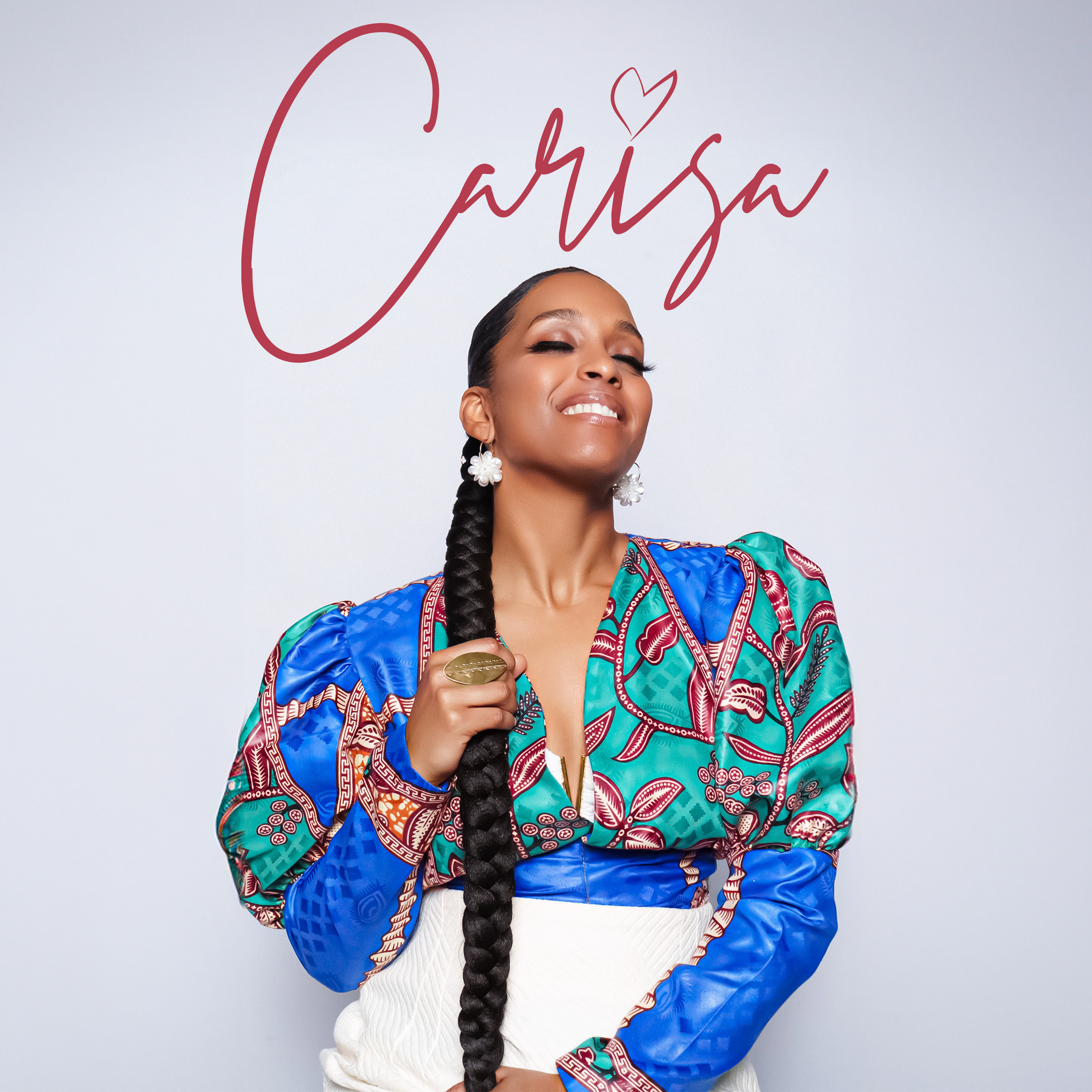
For Carisa Dias, the way to making her dreams come true seems to have been written in the stars. Born to a family of musicians, her identity, from the earliest years of her life, has been marked by multiculturalism and transnationality. Cape Verde, Portugal, Belgium, and finally Luxembourg, have all been rooted in Carisa’s destiny to become a singer and a songwriter.
“Your stage is the world”, the inspiring words of her father became a starting point of a passionate journey where creating music and growing up in a musical environment were both obvious, and absolutely fundamental to building Carisa’s future.
The outcome? A beautiful debut album, simply called “Carisa”, full of soulful world music and multilingual story-telling. Blending tradition with modern sounds, “Carisa” is a statement of an Artist who appreciates the musical trends while honoring her own roots. It is an undeniable proof that, with respect and love for music, anything is possible and the hard work put into the creative process will eventually pay off a thousand times.
So, enjoy the warmth and the delicate beauty of Carisa’s music while discovering her story below. I hope her words will leave you as enchanted and inspired as I was the first time I listened to the entire album.

Bartek: From Cape Verde to Lisbon to Luxembourg, your family explored various cultures before settling down. How do you think this influenced your choice of music genres?
Carisa: My father, a sailor in his youth, traveled extensively and was exposed to music from all over the world. He had an incredibly diverse taste, listening to everything from reggae and soul to salsa, morna, and coladeira. Growing up in that environment naturally shaped my musical preferences.
Living in different countries—Lisbon, Luxembourg, and Brussels—also broadened my horizons and deepened my appreciation for various musical styles. All these influences are embedded in the music I create and perform today.
Luxembourg is a melting pot of cultures, with over a hundred nationalities bringing their own languages, customs, and traditions. Did this diversity influence your music production choices, or was it a challenge?
Absolutely! Living in such a multicultural environment influenced not only my music but also the languages I sing in. I never wanted to limit myself to just Portuguese or Cape Verdean Creole. Singing in French and English felt like a natural extension of who I am and where I come from. It allows me to connect with a broader audience while staying true to my roots.
Yesterday, we celebrated the release of your debut album, “Carisa”. What was the creative and production process like?
From the very beginning, I shared my vision with my team, and together, we carefully selected the songs that best represent my passion, emotions, and aspirations. I’m incredibly grateful to my team, especially my Executive Producer, Mesaro Soares, for his unwavering support and dedication throughout this journey.
One of the standout elements of “Carisa” is how it blends traditional melodies with modern sounds. Was this an intentional choice?
You could say it was intentional, but honestly, it felt very natural to me. I am a blend of both worlds—deeply connected to Cape Verdean traditions yet shaped by diverse modern influences.
Merging these elements wasn’t something I had to force; it’s simply a reflection of who I am as an artist and as a person. By fusing traditional melodies with contemporary sounds, I honor my roots while ensuring my music stays fresh, relevant, and accessible to a wider audience. It’s my way of bridging the past and present, staying true to my origins while embracing the evolving nature of music.
If you had to pick a personal favorite from “Carisa”, which song would it be and why?
It’s tough to choose because every song represents a piece of me. But if I had to pick, it would be “Luz d’um Menino.” I wrote this song years ago while living in Brussels. It was inspired by my late brother and how my nephew’s arrival brought joy and light back into our lives. Initially, no one believed in the song—until my producer, Mesaro Soares, heard it and decided it had to be on the album. That moment made it even more special to me.
Your musical journey has taken you from Portugal to Luxembourg. How has this shaped the stories you tell in your songs?
I believe most songwriters draw inspiration from their everyday lives, and I’m no exception.
My music reflects my journey, aspirations, and family. Through it, I share my experiences, stories, and emotions in a way that allows me to connect with people on a deeper level—both culturally and socially. It’s truly a blessing.
Which artist, past or present, has been your ultimate inspiration?
Two artists have profoundly influenced me: Whitney Houston and Sara Tavares—each for different but equally important reasons.
Whitney Houston represents vocal excellence and emotional depth. Her ability to convey raw emotion through her voice taught me that music is about more than just lyrics—it’s about feeling.
Sara Tavares, on the other hand, deeply resonates with my cultural roots. She masterfully blends Cape Verdean heritage with modern influences, proving that you can honor tradition while embracing evolution. She taught me how to stay connected to my origins while remaining innovative.
On “Carisa”, you seamlessly switch between four languages—English, Portuguese, Cape Verdean Creole, and French. Do you think this makes your message more universal, or does it present challenges for listeners who don’t speak those languages?
Music is a universal language. Even when listeners don’t understand the lyrics, they can feel the melody, rhythm, and emotion.
Today, people enjoy music in languages they don’t necessarily speak. It’s the energy and soul behind the words that resonate. That’s what I focus on conveying—emotion that transcends language barriers.
You come from a family of musicians. What led you to become a singer and songwriter rather than just another musician?
Cape Verdeans have an incredible musical heritage, and I’m proud to come from a family full of musicians—singers, guitarists, pianists, and more.
Growing up, music was always present. It felt like a second language. But for me, becoming a singer and songwriter was about more than just continuing a tradition; it was about storytelling. Writing songs gave me a way to express my emotions and experiences in a deeply personal way.
It wasn’t just about playing music—it was about sharing my own voice and identity. Being surrounded by so much musical talent actually pushed me to carve my own path and turn my love for music into a form of self-expression.
Now that “Carisa” is out, what are your plans for sharing it with your audience? Any promotions or concerts coming up?
Yes! I have several upcoming concerts where I’ll be bringing “Carisa” to life on stage:
• 6th June – Kinneksbond, Mamer
• 9th August – Dream Festival, Steinfort
• 20th September – Arca, Bertrange
• 22nd November – Trifolion, Echternach
These performances will be a great way to connect with my audience and share the energy of the album in a live setting.
Finally, what is the main emotion you want to convey through your songs?
If I had to choose one emotion, it would be hope. No matter the language I sing in or the story I tell, I want my music to inspire a sense of resilience, possibility, and connection. Life can be challenging, but music has the power to uplift and remind us that we’re not alone.
Hope is universal—it transcends cultures, languages, and personal struggles. Through my songs, I want to create a space where listeners find comfort, strength, and the courage to dream beyond their current reality.
Photos: Press release & Marlee Dos Reis
For more information, go to: https://www.instagram.com/carisadias_official
Enjoying the website? Buy me a coffee 🙂

Pingback: Bartek Music: My TOP 10 of the 2025 Tracks - Bartek Music | Sound Mine